
Better Streets Safe Speeds
Background paper -
Creating safer streets, healthier communities and a more liveable Australia
Download the pdf: Better Streets Safe Speeds Background paper
Safe speeds are one of the most effective and affordable ways to reduce road trauma and create neighbourhoods where people of all ages can walk, cycle, wheel and spend time outdoors with confidence.
The Better Streets Safe Speeds Background Paper brings together Australian and international evidence on the benefits of lower urban speed limits, particularly 30 km/h limits on local residential streets. The paper examines the relationship between speed and road trauma, explores the broader health and community benefits of safer streets, reviews international case studies, and outlines policy opportunities for Australian governments.
Why safe speeds?
Speed affects both the likelihood of a crash occurring and the severity of injuries when it does. Lower speeds mean:
Safer conditions for people walking, cycling and wheeling.
Fewer deaths and serious injuries.
More liveable neighbourhoods.
Increased walking and cycling.
Greater independence for children and older people.
Reduced traffic noise and improved neighbourhood amenity.
Safe speeds are a core principle of the Safe System approach to road safety, recognising that people make mistakes and that transport systems should be designed to prevent those mistakes from resulting in death or serious injury.
Key messages from the paper
Australia should adopt 30 km/h as the default speed limit on local residential streets.
Existing processes for implementing lower speed limits are often slow and unnecessarily complex.
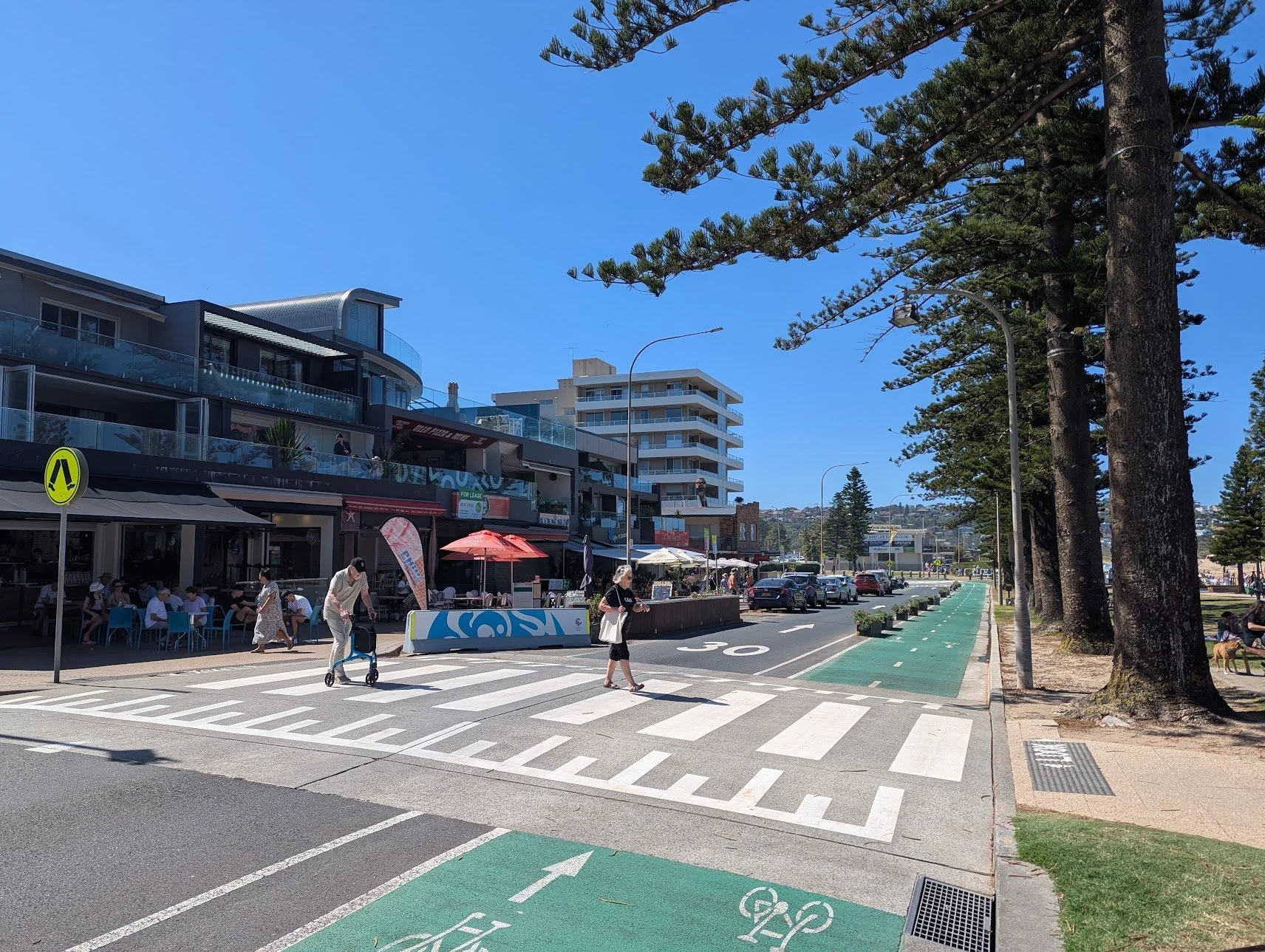
International experience demonstrates that widespread 30 km/h limits can improve safety while supporting more active and vibrant communities.
Safer speeds are critical to achieving national road safety, public health and liveability goals.