Oxford Street Cycleway and Human Rights Violations
“Better streets don’t happen quietly. They happen when people advocate for them. They happen when communities organise.”
The human rights violation case brought to the Federal Court case claiming Sydney’s Oxford Street cycleway violated human rights has been dismissed. The ruling confirms something important: building safer streets is not unlawful discrimination.
But the case still reveals a deeper truth about how street improvements happen — and how they can be delayed.
For anyone campaigning for better walking and cycling infrastructure, there are lessons worth paying attention to.
The case against the Oxford Street cycleway
The Oxford Street East cycleway is designed to connect Sydney’s CBD to Centennial Park and Bondi Junction — filling a key missing link in the city’s cycling network, a key East-West route in Sydney. City of Sydney recently completed and opened Oxford Street West (between Taylor Square and College Street), while Transport for NSW is responsible for Oxford Street East (between Taylor Square and Lang Road).
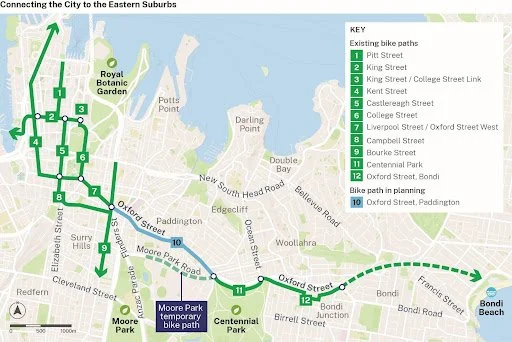
Above: Oxford Street Cycleway from Bondi Junction to Sydney CBD.
The case was brought by a group of Paddington residents opposed to the project and argued that the design of floating bus stops discriminated against older people and people with disability. They pursued the claim through the Australian Human Rights Commission and eventually into the Federal Court, arguing the project breached federal discrimination laws.
The court rejected the claim (court decision).
The judgment found that the applicants had not demonstrated unlawful discrimination and that the project had been developed through appropriate planning and accessibility considerations.
The bigger lesson: organised opposition is powerful
Even though the case failed, the effort behind it was significant.
The Oxford Street cycleway faced:
organised resident campaigns
media pressure
petitions and lobbying
and ultimately a Federal Court challenge
This isn’t unusual. Across Australia and around the world, proposals to reallocate road space often trigger well-organised opposition.
And those groups can be extremely influential.
Not because they represent the majority — but because they are organised.
Meanwhile, the people who benefit most from safer streets — children, future riders, pedestrians, and the broader community — are often quieter or less organised.
That imbalance matters.
Safer streets need visible supporters
Infrastructure decisions are rarely based on technical evidence alone.
They are shaped by who speaks up.
Opposition groups know this. They organise, write submissions, contact politicians and mobilise their networks.
Advocates for better streets need to do the same.
If we want safer neighbourhoods, we need visible support from:
parents and schools
local businesses
health organisations
disability advocates
climate and community groups.
When those voices come together, decision-makers see that safer streets are not a niche issue — they’re a community priority.
Accessibility must be taken seriously
One of the central arguments in the Oxford Street case focused on accessibility.
This is a reminder that good street design must work for everyone. Protected cycleways, pedestrian crossings, bus stops and footpaths should all be designed with accessibility in mind.
Engaging early with disability groups and accessibility experts strengthens projects and ensures they truly serve the whole community.
What this means for the movement
If there’s one lesson from the Oxford Street cycleway case, it’s this:
Better streets don’t happen quietly.
They happen when people advocate for them.
They happen when communities organise.
And they happen when decision-makers hear clearly that safer walking and cycling infrastructure is something people want.
Now it’s up to all of us to keep pushing for streets that are safer, healthier and more welcoming for everyone and to push Transport for NSW to complete Oxford Street West cycleway.
Sign the Petition
Currently Transport for NSW is designing the Oxford Street East Cycleway as part of the Revitalise Oxford Street project. To show your continued support for the project and the need for safer cycling and walking facilities on Oxford Street sign this petition.
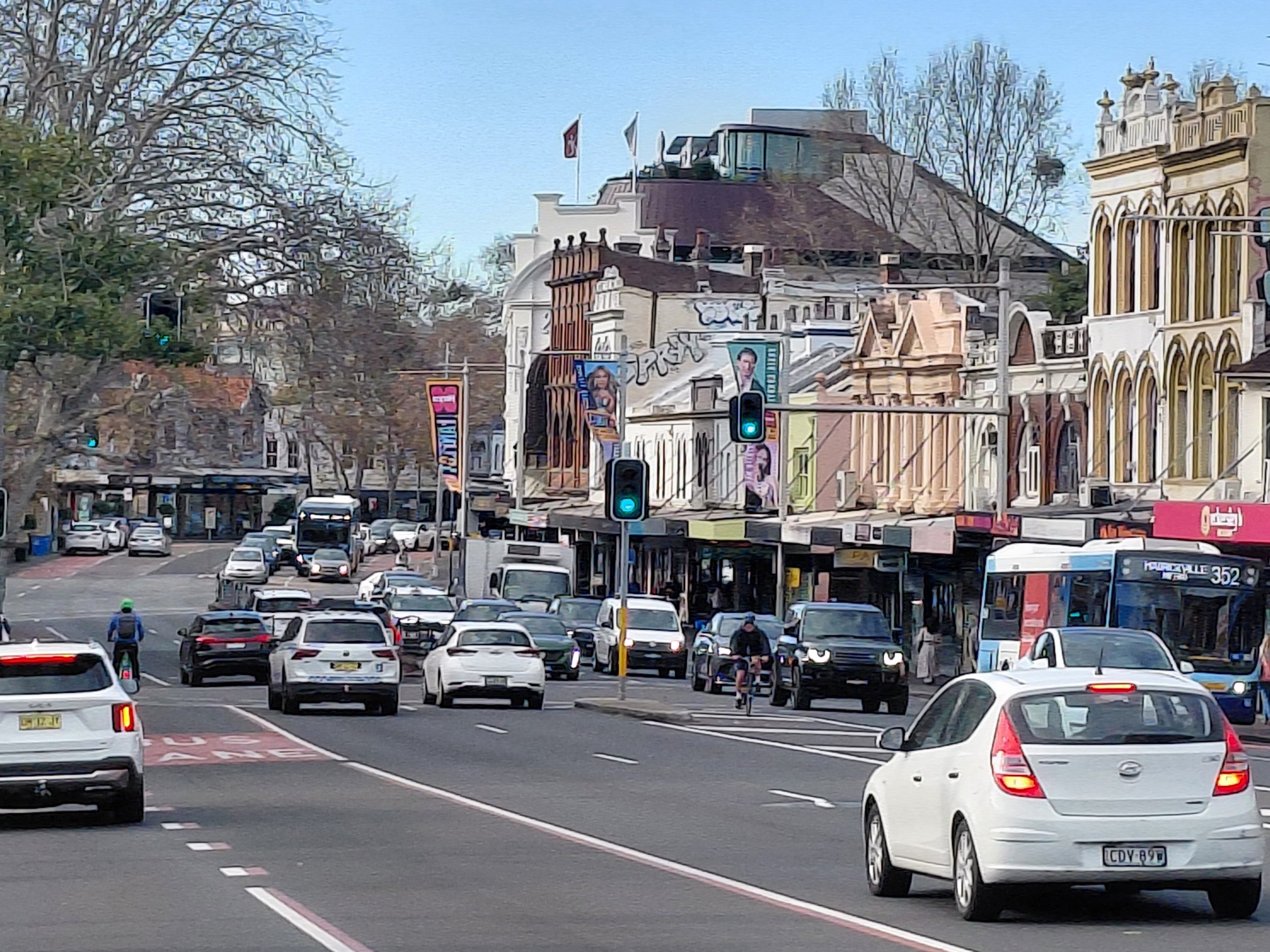
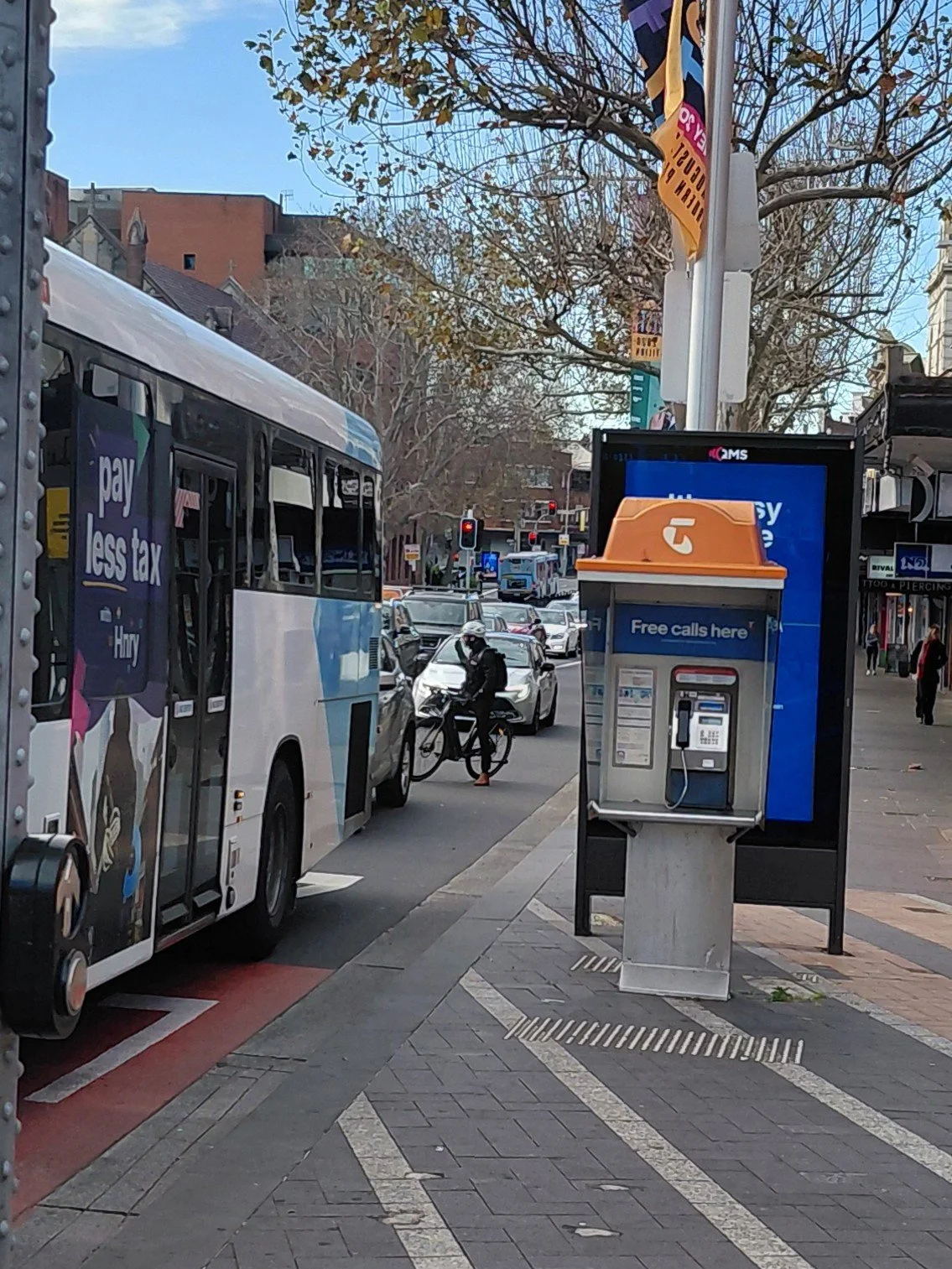
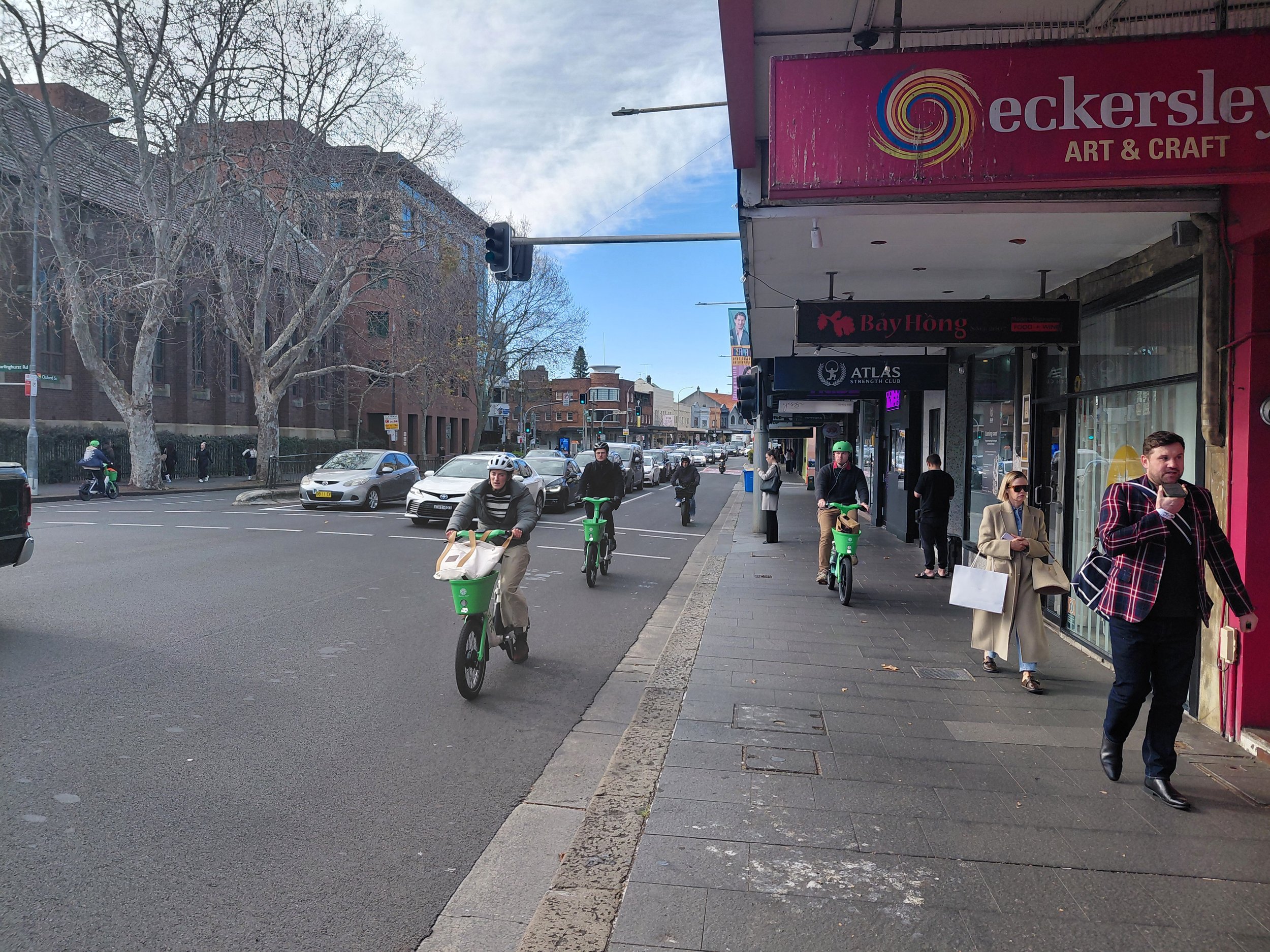
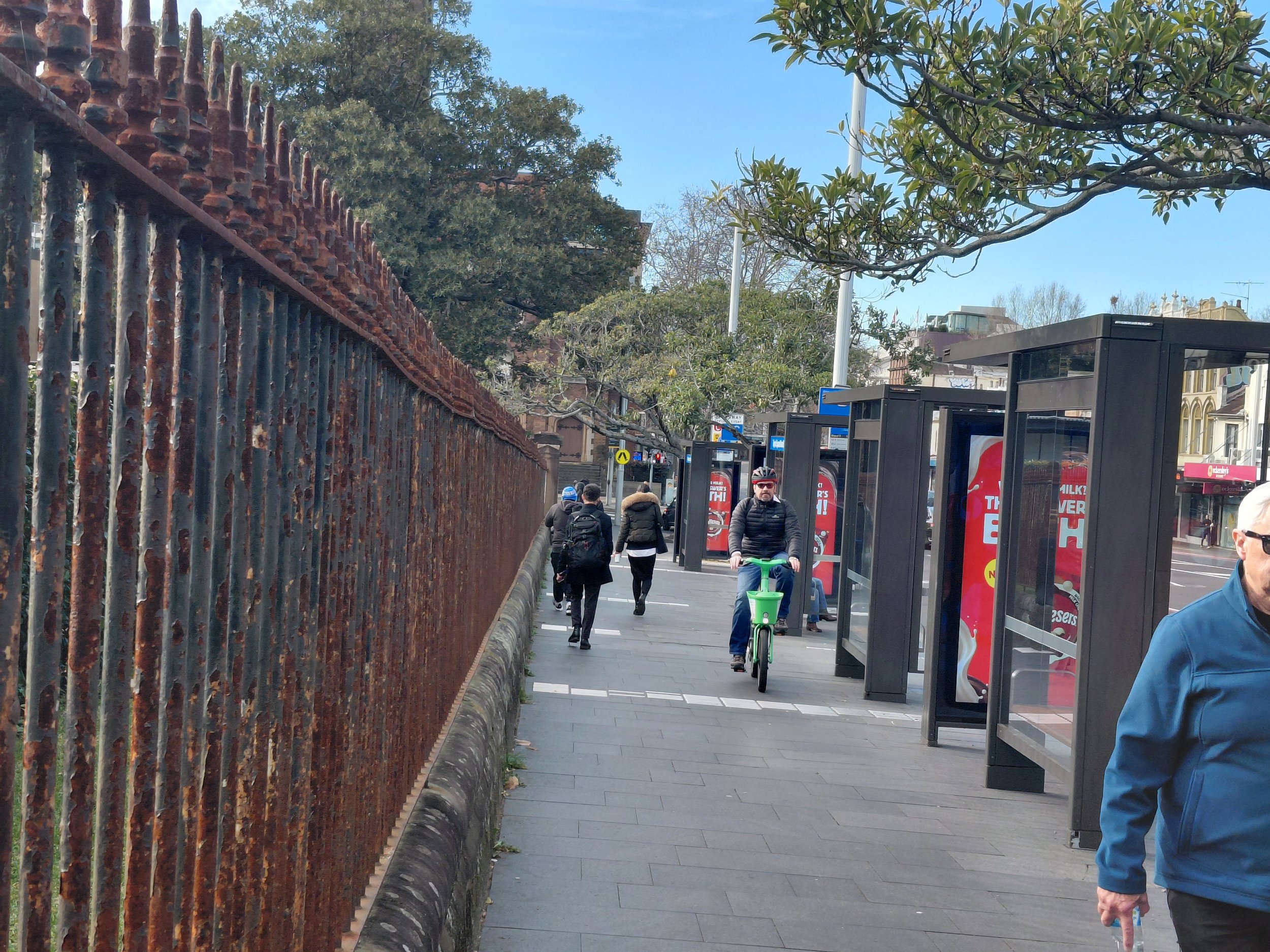
On Oxford St East (above), riders must share space with buses and motor vehicles, in an uncomfortable if not hostile environment, from which some take refuge on the footpath.
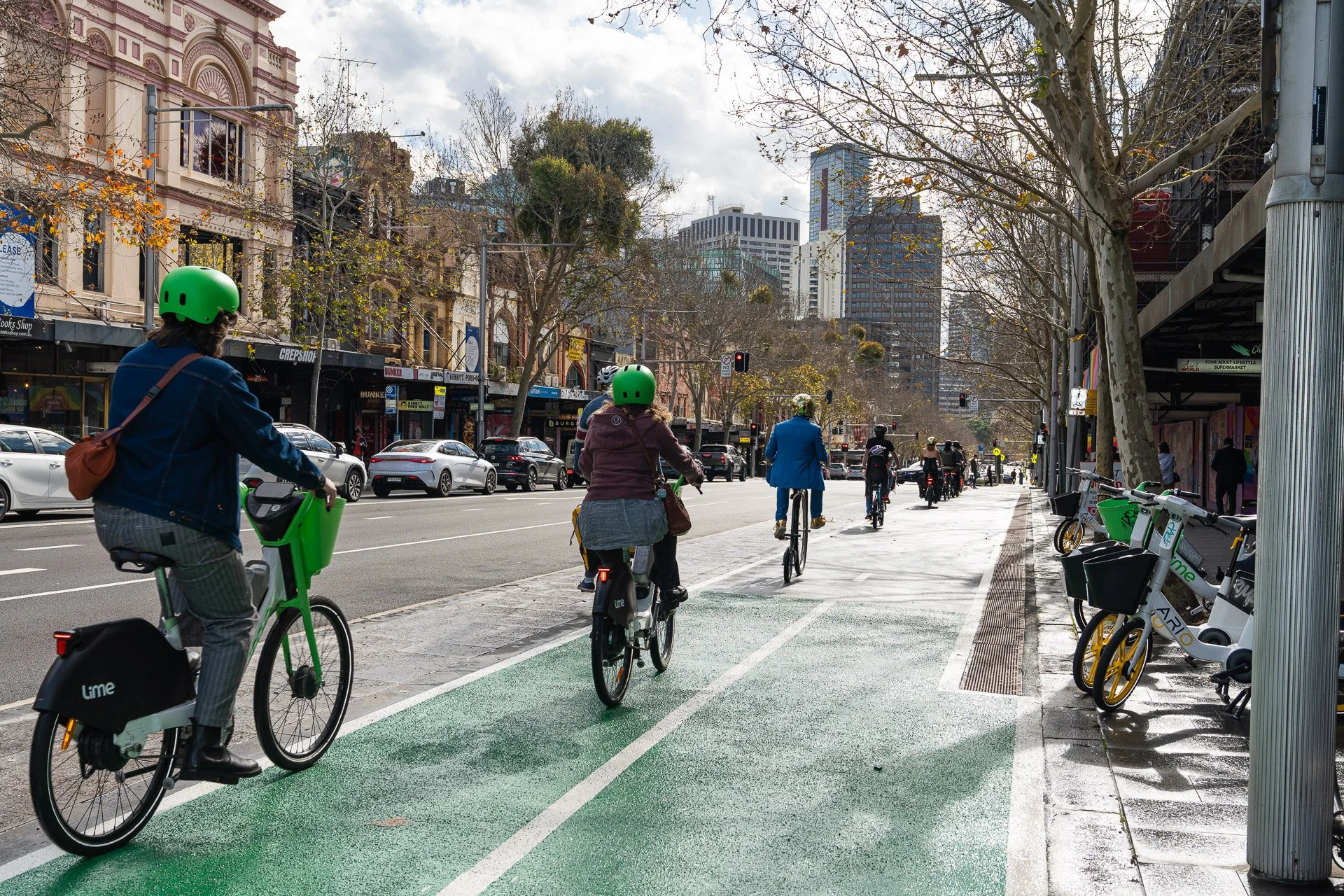
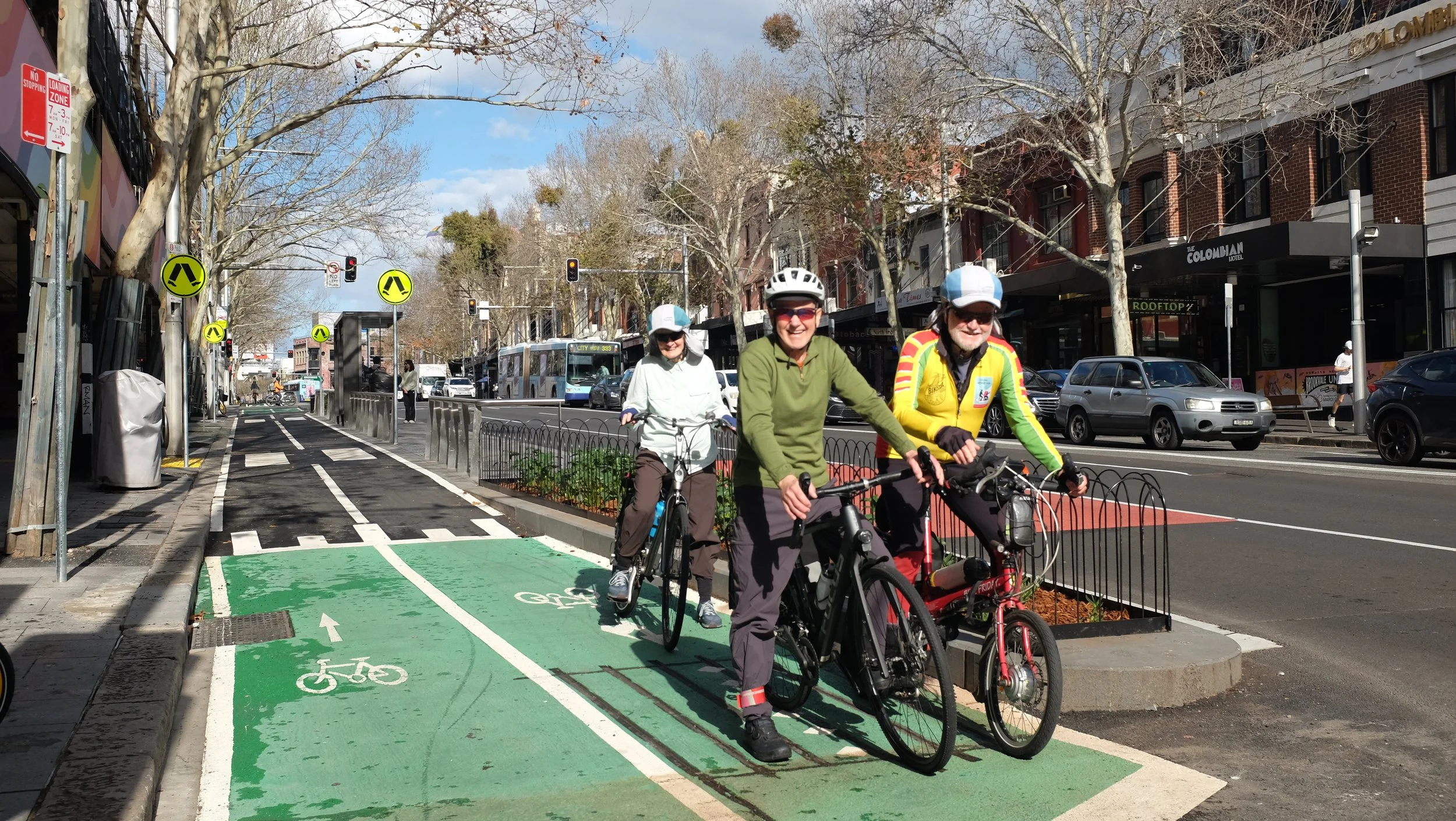
On Oxford St West (below), every day sees thousands of people ride into the city using a separated space that is safe and comfortable, with footpath riding almost never seen.